Seasonal Patches: Ideas for Autumn, Winter, Spring and Summer
Patches are small, which is exactly why they can change with the seasons so easily. A school, scout group, café or sports club can keep its core logo on a jacket all year and swap in something seasonal as the weather turns: a rust-coloured oak leaf in October, a silver snowflake in December, a daffodil in March, a bright sun in July. The trick is to plan the artwork and the material together, because a design that looks wonderful on screen at 20cm can turn to mush at 6cm on a beanie. Here is how to approach each season, and how to make the patches practical rather than a novelty that sits in a drawer.
Why seasonal patches earn their place
A seasonal patch does three useful jobs at once. It marks a moment — a camp, a festival, a fundraising week — without committing you to new uniforms. It gives people a reason to collect, which matters if you sell or gift patches. And it lets staff, volunteers and members feel a shift in the year rather than wearing identical kit for twelve months.
The economics are straightforward. Your base garment stays the same; only a small, low-cost element changes. That also means you can test a design on a small run before committing to a large one. If the autumn leaf sells well at a fair, order more. If it doesn't, you have lost very little.
Autumn: rust, ochre and fallen leaves
Autumn is the easiest season to design for because the palette does most of the work. Think rust, ochre, burnt orange, burgundy, deep moss green and cream, and pick two or three rather than all of them.
Motifs that read well at small sizes
- A single oak or maple leaf with a stitched vein detail
- An acorn, conker or sprig of berries
- A pumpkin or a wheelbarrow of harvest produce
- A bonfire, lantern or low sun on the horizon
- A hedgehog, owl or fox silhouette
Silhouettes hold up better than busy scenes. A fox built from one solid shape still reads clearly on a 5cm patch; a detailed woodland with six animals will not. Autumn patches suit harvest festivals, autumn fairs, outdoor education groups, coffee shops launching a seasonal menu and anyone running a Halloween or bonfire event. Where a garment is dark, add a cream or gold border so the patch doesn't vanish into the fabric.
Winter: snowflakes, frost and festive detail
Winter designs lean on a cooler palette: navy, ice blue, silver-grey, white, with deep red and gold for festive work. Contrast matters more here than in any other season, because white on pale grey or silver thread on light blue disappears at a glance.
Snowflakes are the classic, but keep the geometry simple. Six clean arms with a solid centre outperform an intricate snowflake with dozens of fine lines, which will blur at small sizes and pull during stitching. Metallic threads catch the light beautifully but are less forgiving in heavy wear, so reserve them for borders or a single accent rather than the whole design.
Other winter motifs that work well include an evergreen tree, holly, a robin, a mitten, a sledge, a starry night sky, a knitted jumper pattern and a mug of something hot. Uses range from winter uniform and festive staff aprons to gift tags, advent calendar decorations and a fundraising patch for a winter fair. If you run a Christmas market, a dated patch — the year stitched into the border — gives people a reason to buy a new one each December.
Spring: blossom, showers and fresh colour
Spring is where pastels tempt people into mistakes. Soft yellow on white, or pale pink on cream, looks lovely in a design file and invisible in daylight. Choose one pastel and pair it with a stronger companion colour and a dark outline.
Good spring motifs include cherry or apple blossom, a daffodil, a tulip, a lamb, a nest with eggs, a rain cloud with a single drop, a rainbow arc, a bee and a seedling pushing through soil. Spring suits science and gardening clubs, Mother's Day and Easter events, school sports days and any group that wants a lighter, brighter patch after a grey February.
Design tip: draw the shape in solid blocks first, then add detail only where it survives being shrunk. If the patch still makes sense at 4cm, it will be sharp at any size above that.
Summer: sun, sea and long evenings
Summer patches can be louder than the rest of the year. Saturated yellows, turquoise, coral, sky blue and grass green sit comfortably together if you anchor them with one dark colour for the outline. Motifs that work: a sun with a clean ray pattern, a wave, a palm, an ice cream, a watermelon slice, a campfire, a tent, a sandcastle, a flip-flop or a small boat.
Two practical points. First, strong sunlight fades everything eventually, so order patches in good time rather than storing them on a sunny windowsill. Second, summer kit gets washed often and worn outdoors, so choose a durable construction and a sew-on or hook-and-loop backing for anything that will take real punishment at a festival, holiday club or beach event.
Choosing materials, shapes and backings
The season influences the material more than you might expect. A few options:
- Embroidered: the standard choice, durable and textured, best for mid-level detail and shapes with a solid border.
- Woven: thinner and sharper, ideal for small text, dates and fine lines.
- PVC or moulded rubber: bold flat colour, waterproof and wipe-clean, suited to outdoor and summer kit.
- Chenille: soft and plush, perfect for a winter hoodie or varsity-style jacket.
- Printed fabric: handles gradients and photographic detail, though it wears faster in heavy washing.
Backings matter just as much. Iron-on is quick but needs a heat-safe fabric and a cool wash. Sew-on is the most secure. Hook-and-loop backing is the smartest option for seasonal work, because one jacket can carry a different patch each term. Self-adhesive is fine for a temporary event, not for a garment you plan to keep.
Building a seasonal patch calendar
Most seasonal panic comes from ordering too late. Work a season ahead and the whole process becomes calm:
- Decide the theme and where the patches will appear — uniform, merchandise, gifts or fundraising.
- Sketch two or three options and check them at the smallest size you'll actually use.
- Approve artwork and thread colours before production starts; changes after that are costly.
- Order in good time — spring designs in January, summer in March, autumn in July, winter in September.
- Ask for a single sample patch before the full run, and check it outdoors in daylight.
- Order a handful of spares. Replacement patches keep jackets in service and cost very little.
Finally, store spare stock flat, away from direct sun and damp, and keep the artwork file with a note of the exact thread colours. When you come back to the design two years later, that note is the difference between a perfect reorder and starting again from scratch. Get the planning right once and each season's patch becomes a small, welcome ritual rather than a rush.
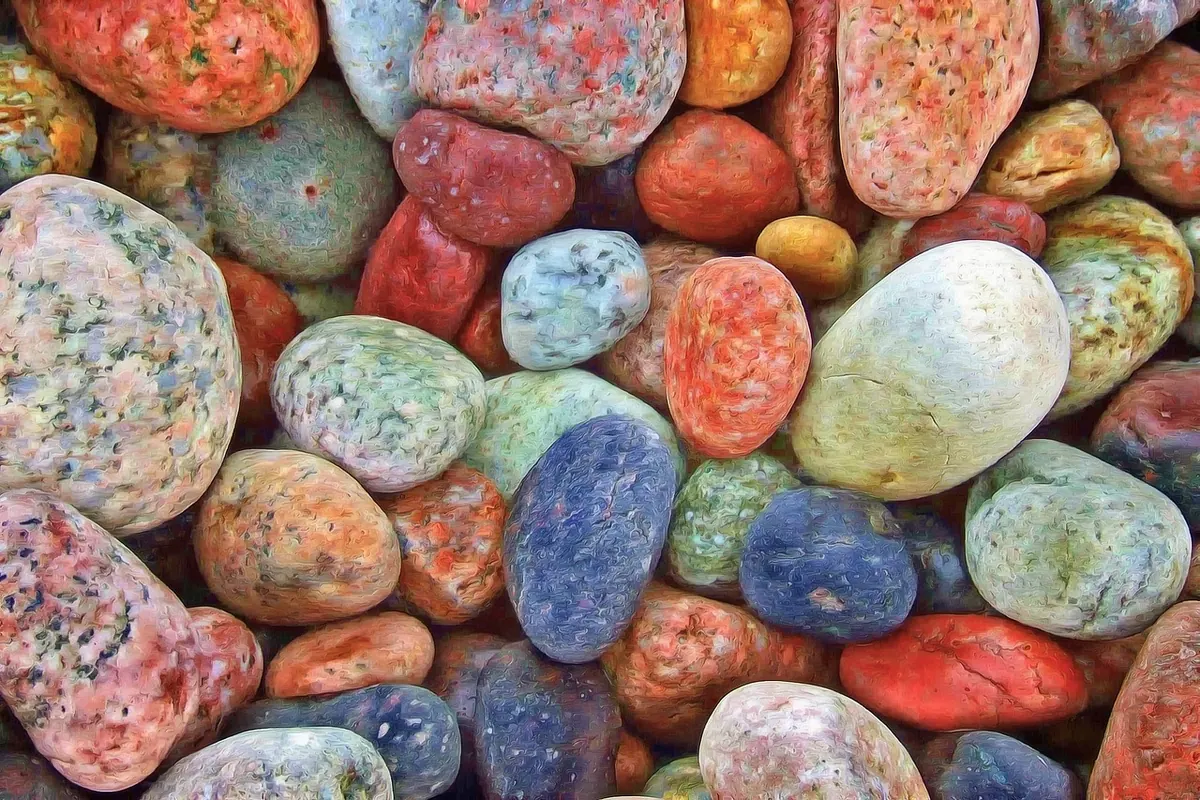
Photo: sarajuggernaut / Pixabay

You Might Also Like
A complete list of sewing supplies for attaching patches, from needles and thread to thimbles and scissors, plus beginner-friendly tips for a neat, secure finish.
How UK Scout groups, Guide units and sports clubs can design, size and place custom patches that fit the uniform and last for years.